

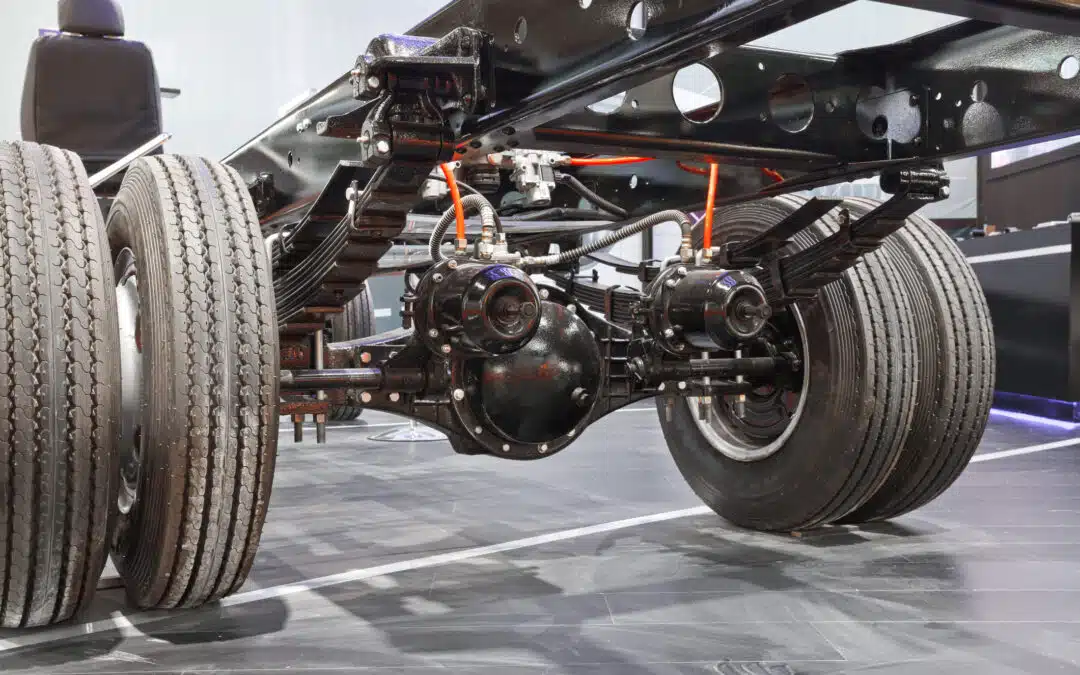
When it comes to vehicles, one of the most important but least understood systems is the suspension. If you’ve ever wondered how does truck suspension work or why a truck rides the way it does, you’re in the right place. TCS Upfitting in Wichita, KS specializes in heavy-duty custom truck upgrades. From absorbing bumps on rough roads to keeping your truck stable under heavy loads, suspension plays a critical role in safety, performance, and comfort.
In this guide, we’ll explain how truck suspension works, dive into essential upgrade options, and cover the basics of lowering truck suspension. Whether you drive a work truck in the city, tow heavy loads across Kansas and Oklahoma, or want better handling on rural roads, understanding suspension will help you make smarter choices for your vehicle.
What Is Truck Suspension?
At its most basic, truck suspension is the system that connects your truck’s body to its wheels and tires. It includes parts that help absorb bumps, maintain tire contact with the road, and keep your truck balanced and controlled.
A good suspension system does three main things:
- Smooths out ride quality – It cushions the truck when traveling over potholes, uneven surfaces, or rough terrain.
- Improves handling and control – By keeping the tires on the road, you maintain steering precision and responsiveness.
- Supports weight and load – Suspension helps carry heavy cargo, trailers, or equipment without sacrificing stability.
Key Components of Truck Suspension
To understand how truck suspension works, it helps to know its main components:
Springs
Springs absorb energy from bumps. The most common types include:
- Leaf Springs – Long, layered strips of metal used on many heavy‑duty trucks.
- Coil Springs – Spiral‑shaped springs found on many modern trucks’ front or rear.
- Torsion Bars – Bars that twist to absorb impact.
Springs store and release energy, helping the truck “bounce back” after hitting a bump.
Shock Absorbers
Shocks, or dampers, control the motion of your springs. Without shocks, your truck would keep bouncing after every bump. Shock absorbers slow down this motion and stabilize the vehicle.
Control Arms
Control arms connect the frame of the truck to the wheels. They guide wheel movement and keep tires aligned correctly.
Sway Bars
Also called anti‑roll bars, these help reduce body roll when turning corners or making sharp maneuvers.
Bushings and Mounts
These soft rubber or polyurethane pieces cushion metal parts and reduce vibration and noise.
How Does Truck Suspension Work? — A Simplified Explanation
Imagine you’re driving over a rough gravel road. Without suspension, every bump and dip would jolt directly into the truck’s frame and into your seat. Instead, here’s what happens:
- Wheel hits a bump – The tire moves upward.
- Spring compresses – The spring absorbs most of the energy.
- Shock slows movement – The shock absorber slows the spring from bouncing repeatedly.
- Control arms guide wheel – These keep the wheel in proper alignment.
- Truck stays stable – The body stays relatively level and comfortable.
This entire process happens in fractions of a second. Suspension continuously adjusts wheel movement to keep your truck steady, even on uneven terrain.
Types of Suspension Systems in Trucks
Different trucks use different suspension designs:
Solid Axle Suspension
Common in heavy‑duty pickup trucks and off‑road vehicles, solid axles are strong and reliable, especially for towing and hauling.
Independent Front Suspension (IFS)
Each wheel moves separately, offering a smoother ride and better steering precision, common in light‑to‑medium‑duty trucks.
Air Suspension
Uses air springs that can adjust to load weight. Often found on high‑end trucks or custom builds.
Truck Suspension Upgrades That Make Your Ride Better
If you want your truck to perform better under load or off‑road, upgrading your suspension can be a game‑changer. Here are common upgrade options that drivers often consider:
1. Heavy‑Duty Shocks
Upgrading to performance or heavy‑duty shocks improves ride stability and reduces bounce. Good shocks make a big difference in comfort on uneven roads.
2. Lift Kits
Lift kits raise the truck’s body for larger tires, improved ground clearance, and aggressive stance. They’re popular with off‑road drivers and those who want a bold look.
3. Upgraded Springs
Replacing stock springs with stiffer or longer travel springs helps when hauling heavy loads or traveling off‑road.
4. Sway Bar Upgrades
Stronger sway bars reduce body roll during tight turns, improving stability and driver confidence.
5. Air Bag Suspension Kits
Air bags can be added to help support heavy loads. This allows you to adjust ride height and improve handling when towing or carrying heavy cargo.
6. Performance Bushings
Replacing rubber bushings with polyurethane options reduces flex and improves steering feel.
7. Steering Stabilizers
These help control steering feedback on rough roads or with large tires, giving a smoother driving experience.
When planning suspension upgrades, consider how you use your truck. Do you tow often? Do you drive on rough terrain? Do you want a smoother daily ride? A proper suspension upgrade should match your driving needs.
Lowering Truck Suspension — What You Need to Know
Just as some drivers lift their trucks, others choose to lower them. Lowering truck suspension can improve handling and create a sleek, performance‑oriented look. Here’s what lowering does and what you should think about:
How to Lower a Lifted Truck
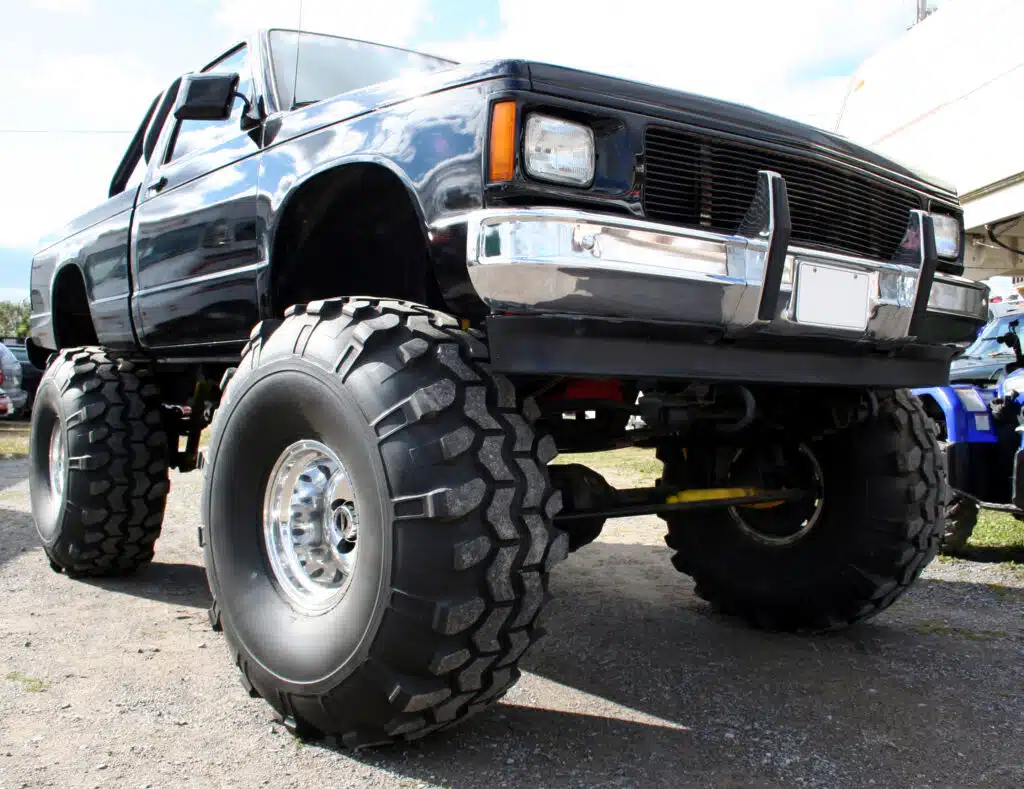
Maybe you don’t want to ride up so high. Below are some common ways to lower suspension. We highly recommend you speak with a professional if you don’t have much experience working on trucks. Even if you do have a lot of experience, it can help to talk to someone who does this type of thing day in and day out!
- Lowering Springs – Shorter, stiffer springs designed to reduce ride height.
- Drop Spindles – These lower the front end without changing springs.
- Cutting or Heating Coils – Not usually recommended, as it can weaken suspension parts.
- Air Suspension – Allows adjustable height, including lowering for show purposes.
Considerations for Lowered Suspension
Lowering isn’t for everyone. Before you lower your truck, keep these in mind:
- Ride Comfort – Lowered suspension often feels firmer and may be less comfortable on rough roads.
- Tire Clearance – Reduced height can change wheel and tire fitment, potentially causing rubbing.
- Ground Clearance – You’ll have less height under the truck, which can be a problem on uneven roads or driveways.
- Towing and Hauling – Lowered trucks usually aren’t ideal for heavy loads or towing trailers.
Lowering can be a great choice for daily drivers or show trucks, but isn’t always practical for heavy‑duty use or rough terrain.
Maintenance Tips to Keep Your Suspension Working Well
Understanding how truck suspension works is one thing. Keeping it in good condition is another. Regular maintenance helps you avoid uneven tire wear, poor handling, and accelerated suspension wear.
Check for Worn Shocks
If your truck bounces excessively after hitting a bump, it may need new shocks.
Inspect Bushings and Joints
Look for cracks or worn rubber pieces. Worn bushings can cause noise and poor handling.
Monitor Tire Wear
Uneven tire wear often points to suspension alignment issues.
Keep Tires Properly Inflated
Proper tire pressure helps suspension perform as designed.
Align Your Wheels
Alignment keeps steering responsive and reduces tire wear.
Get the Ride You Want with the Right Suspension
Knowing how truck suspension works helps you make smarter decisions about handling, comfort, and safety. Whether you want a smoother ride, a lifted off‑road setup, or a lowered show truck, suspension plays a big role in how your truck behaves on the road.
Upgrades can enhance performance and comfort, while lowering truck suspension delivers stylish handling results when matched with the right use. Whatever your goals, understanding suspension basics ensures your truck performs reliably and stands up to your driving needs.
If you’re ready to explore suspension upgrades or custom install solutions for your truck, reach out to the experts at TCS Upfitting!