

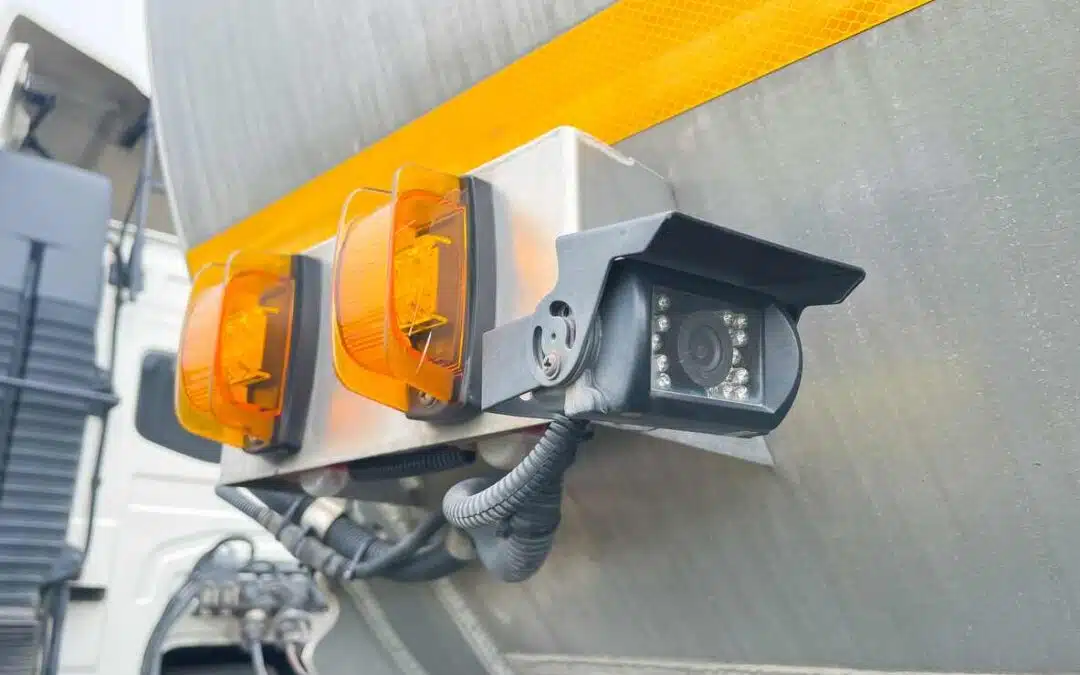
Heavy-duty roll-off trucks operate in some of the most demanding and high-risk environments in the commercial trucking industry, from congested construction sites to low-visibility landfill operations. As fleets push for higher efficiency and stronger safety compliance, the demand for roll-off truck upfitting services has increased significantly, especially in lighting and camera systems designed to reduce blind spots and improve operator awareness.
Standard factory-installed visibility systems are rarely built for these conditions, leaving gaps that can lead to accidents, downtime, and costly liability exposure. This is why many fleet operators are turning to advanced lighting and camera upgrades through professional upfit providers, such as truck accessories and upgrade solutions, to enhance performance and safety.
In this guide, we’ll break down the essential lighting systems, the critical camera upgrades, and the key decision factors that help fleets reduce risk and improve operational efficiency. If you are ready to protect your team and maximize your truck’s performance, upgrade your fleet safety today.
Why Lighting and Camera Upfits Matter for Roll-Off Trucks
Roll-off trucks regularly operate in environments where visibility is limited and conditions change quickly. Whether backing into narrow job sites or working during early morning hours, drivers need reliable visibility systems to operate safely.
High-Risk Operating Conditions
Roll-off fleets often deal with:
- Tight maneuvering areas
- Frequent reversing
- Busy construction environments
- Low-light or nighttime operations
- Active pedestrian and equipment traffic
These working conditions increase the chances of visibility-related incidents.
Operational and Financial Impact of Poor Visibility
Roll-off trucks regularly operate in environments where visibility is limited and conditions change quickly. Whether backing into narrow job sites or working during early morning hours, drivers need reliable visibility systems to operate safely.
High-Risk Operating Conditions
Roll-off fleets often deal with:
- Tight maneuvering areas
- Frequent reversing
- Busy construction environments
- Low-light or nighttime operations
- Active pedestrian and equipment traffic
These working conditions increase the chances of visibility-related incidents.
Real-World Fleet Feedback
Many fleet operators report noticeable improvements after installing upgraded lighting and camera systems.
Common benefits include:
- Fewer reversing incidents
- Faster container positioning
- Improved driver confidence
- Safer job site operations
Essential Lighting Upfits for Roll-Off Trucks
Lighting upgrades significantly improve job site safety, especially during early morning and nighttime operations where visibility is limited.
High-Output LED Work Lights
High-output LED work lights provide bright, consistent illumination for critical operational zones around the truck. They are designed to withstand vibration, weather exposure, and continuous heavy-duty use.
Key performance improvements:
- Up to 5x brighter output (measured in lumens)
- Lifespan exceeding 50,000 operating hours
- Energy consumption reduced by up to 60%
Best installation points:
- 2–4 lights on rear loading zones
- 2 lights on the hoist and hook assembly areas
- 1–2 lights per side access zone
- 1 cab-mounted perimeter system
Rear Strobe and Warning Light Systems
Warning lights help alert surrounding traffic and workers when a roll-off truck is actively operating. This is especially important on busy roadsides and active job sites.
Popular warning light upgrades include:
- Roof-mounted amber light bars
- Rear strobes
- Traffic advisor lighting
- Grille and bumper warning lights
These systems improve vehicle visibility and help reduce collision risks.
Scene Lighting for Night Operations
Scene lighting provides broad-area illumination around the truck instead of narrow spotlight beams. This helps operators clearly see the work area during nighttime operations.
Benefits of scene lighting include:
- Better visibility around containers and equipment
- Reduced shadows and blind spots
- Improved safety for drivers and crews
This type of lighting is especially useful for fleets operating early mornings, evenings, or overnight shifts.
Marker and Clearance Lights
Marker and clearance lights define the physical dimensions of the vehicle, improving road visibility and ensuring compliance with safety standards.
| Lighting Type | Quantity (Typical Roll-Off Truck) | Purpose |
| Clearance Lights | 6–8 units | Define vehicle width |
| Side Markers | 4–6 units | Improve lateral visibility |
| ID Lights | 3 front + 3 rear | Vehicle identification |
Must-Have Camera Systems for Roll-Off Fleets
Camera systems help eliminate blind spots and give drivers a clearer view of their surroundings.
Rear Backup Camera Systems
Rear backup cameras are one of the most important upgrades for roll-off trucks because containers often block rear visibility.
Key benefits include:
- Safer reversing
- Better awareness behind the vehicle
- Improved precision during container placement
Modern systems typically include night vision and weather-resistant construction for demanding job site conditions.
Side-Mounted Camera Systems
Side-mounted cameras improve visibility during lane changes and tight turns. They help drivers monitor blind spots that mirrors alone may not fully cover.
These systems are especially valuable in:
- Urban driving environments
- Construction zones
- High-traffic roads
They also improve safety around pedestrians and cyclists.
360-Degree Camera Systems
360-degree camera systems combine multiple camera views into a single overhead perspective. This gives operators a complete view around the truck.
Benefits include:
- Improved maneuverability
- Better obstacle awareness
- Easier positioning in confined spaces
These systems are becoming increasingly common in vocational fleets focused on safety and efficiency.
In-Cab Monitoring and Recording Systems
In-cab monitoring systems allow drivers to view multiple camera feeds from a central display. Many systems also include recording features for documentation and fleet management purposes.
Common features include:
- Multi-camera viewing
- Video recording
- GPS integration
- Event tracking and playback
These systems can also support driver training and incident review. Ready to eliminate blind spots and protect your drivers? Get Custom Camera Upfits!
Advanced Safety Technologies Worth Considering
Modern roll-off fleets are increasingly adopting smart safety technologies to improve awareness and reduce risks.
AI-Powered Object Detection
AI-assisted systems can identify nearby pedestrians, vehicles, and obstacles in real time. These systems provide alerts that help drivers react more quickly to potential hazards.
This technology is especially useful in crowded job sites and busy urban environments.
Infrared and Low-Light Imaging
Infrared and low-light cameras improve visibility during nighttime operations or poor weather conditions.
These systems help operators maintain visibility in:
- Fog
- Rain
- Dust-heavy environments
- Low-light work areas
Automated Lighting Controls
Automated lighting systems activate work lights based on vehicle movement or operational activity. This improves convenience and reduces the need for manual controls.
Examples include:
- Reverse-activated work lights
- Motion-triggered perimeter lighting
- Automatic scene illumination
Fleet Monitoring Integration
Integrated fleet monitoring systems allow managers to track vehicle activity and review safety footage remotely.
Benefits include:
- Improved fleet oversight
- Faster incident review
- Better operational visibility
- Enhanced driver accountability
How to Choose the Right Upfits for Your Fleet
Selecting the right lighting and camera systems depends on your fleet’s operating environment and daily workload.
Evaluate Your Work Environment
Different operating conditions require different visibility solutions.
For example:
- Urban fleets may benefit from 360-degree camera systems
- Rural fleets may prioritize high-output lighting
- Construction fleets may need reinforced camera protection
Understanding your daily operating conditions helps determine the best setup.
Prioritize Durability
Roll-off trucks operate in harsh environments where equipment is exposed to vibration, moisture, dirt, and debris.
Look for components designed specifically for:
- Heavy-duty commercial use
- Weather resistance
- Long-term durability
- Demanding vocational applications
Focus on Ease of Use
Visibility systems should be simple and intuitive for drivers. Easy-to-use systems are more likely to be used consistently and effectively.
Clear displays, automatic activation features, and user-friendly controls help reduce driver distraction.
Work With Professional Upfit Providers
Professional installation ensures that lighting and camera systems integrate properly with the truck’s electrical and safety systems.
Experienced providers can also help fleets:
- Select the right equipment
- Improve long-term reliability
- Maintain compliance requirements
- Customize solutions for specific operations
Why Lighting and Camera Upfits Are Essential for Roll-Off Fleet Safety
Lighting and camera upgrades play a major role in improving safety, visibility, and operational efficiency for heavy-duty roll-off trucks. As fleets continue operating in increasingly demanding environments, reliable visibility systems help reduce risks and support smoother daily operations.
Many fleet operators experience fewer incidents, improved driver awareness, and better job site efficiency after upgrading their trucks with modern lighting and camera technology.
Working with an experienced partner like TCS Upfitting ensures that your fleet receives durable, professionally installed solutions built specifically for real-world vocational applications. With expertise in heavy-duty truck accessories and commercial upfitting solutions, TCS Upfitting helps fleets improve safety while supporting long-term operational performance.