

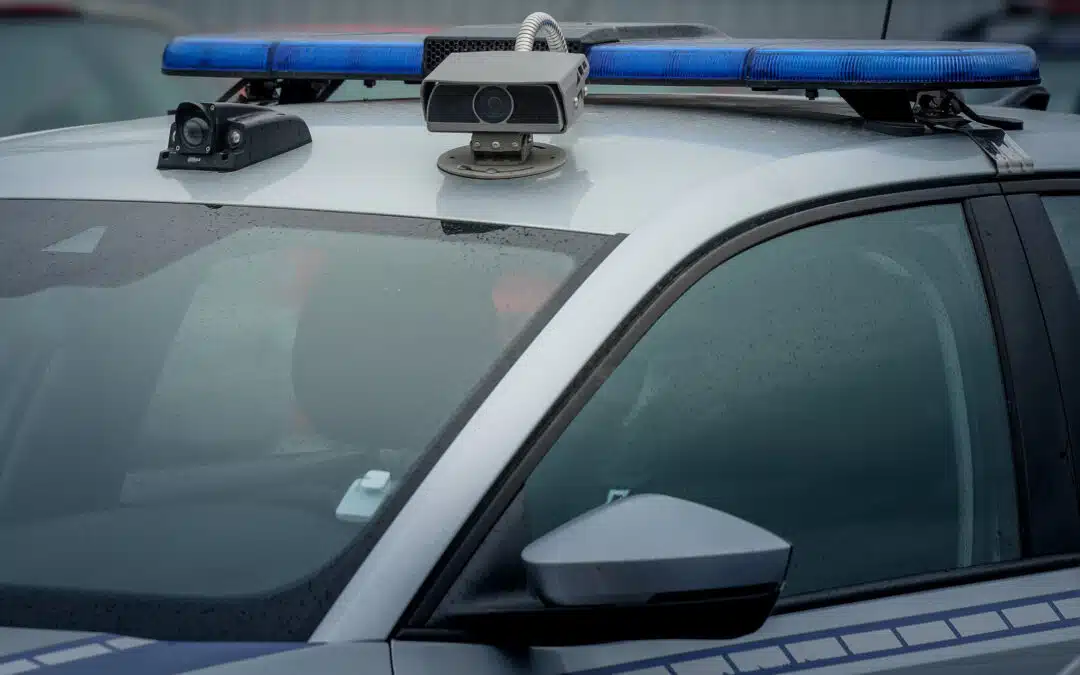
When people think of police vehicles, often the first thing that comes to mind is flashing lights and loud sirens. While those are essential, there is far more that goes into preparing a vehicle for duty. Police car equipment and police car upfitting help officers communicate, respond safely, protect themselves and the public, document incidents, and transport detainees securely. This equipment is carefully selected and installed through a process called police vehicle upfitting.
Upfitting turns a standard vehicle into a fully equipped mobile command center built for the demands of public safety. Whether it’s a patrol cruiser, K‑9 unit, detective car, or highway enforcement vehicle, the gear inside matters just as much as what’s under the hood. This guide explains key police car equipment, why it’s important, and how upfitting ensures your fleet performs reliably.
Understanding this equipment helps both agency decision‑makers and officers feel confident that their vehicles are safe, dependable, and fit for duty. Have a question and don’t feel like reading? Contact TCS Upfitting in Wichita today!
What Does Police Vehicle Upfitting Mean?
Police vehicle upfitting is the process of installing specialized equipment into law enforcement vehicles so they can perform the duties required of them. Upfitting is different from aftermarket accessories because it considers law enforcement workflows, legal standards, and long‑term durability.
A properly upfitted vehicle supports officers in emergencies, high‑stress driving situations, and daily patrol operations. Every piece of equipment is chosen to help officers respond faster, communicate more clearly, and stay safe on the job.
Essential Police Car Equipment Explained
Police vehicles serve multiple roles — from emergency response and traffic enforcement to prisoner transport and surveillance. To meet these needs, upfitting includes a wide range of specialized equipment.
Lighting Solutions
Efficient lighting is critical for visibility and safety. Police car lighting is more than just roof‑mounted lights.
Light bars provide powerful 360‑degree visibility and help drivers recognize an emergency vehicle from a distance. Directional lighting on the front, rear, and sides enhances visibility during traffic stops, roadside emergencies, and nighttime operations. Interior lighting inside the vehicle helps officers work safely in low‑light conditions without impairing night vision.
Programmable lighting systems let officers choose different flash patterns and intensities to communicate their intent — for example, a traffic scene versus an emergency response.
Sirens and Public Address Systems
Sirens help signal urgency and request the right of way. A good siren system includes a variety of tones and volume levels adjustable for different traffic or weather conditions. Public address (PA) systems allow officers to speak directly to people outside the vehicle — useful for crowd control, traffic direction, or communication during stops.
A reliable speaker system helps ensure the message is heard clearly, even over loud engines or road noise.
Communication and Data Equipment
Modern police vehicles are mobile offices. Officers rely on computers, radios, and data terminals to communicate, look up information, access records, and navigate to calls.
Mobile computers, often mounted in secure, adjustable brackets, allow officers to access dispatch information, run plate checks, and complete reports from the field. High‑speed wireless connectivity enables real‑time communication with headquarters and other units.
Two‑way radios remain the backbone of police communication. Upfitters ensure these systems are properly integrated with microphones, speakers, and antennas for optimal performance.
Secure Weapon Storage
Weapon vaults are essential for safety and accountability. These lockable storage units secure firearms and tactical gear when a weapon is not actively in use. Proper weapon vaults are designed to be tamper‑proof, preventing unauthorized access and keeping weapons safe during transport.
Upfitters install these vaults with reinforced mounts so they won’t shift during high‑speed driving or off‑road conditions.
Seating and Partition Systems
Police vehicles often need to transport detainees safely. Seating systems with partitions separate the front and rear compartments, protecting officers and preventing escapes or interference.
Partitions are typically constructed from strong materials like steel or reinforced polycarbonate and may include secure locking mechanisms and reinforced hardware.
Storage Solutions and Equipment Racks
Officers carry a variety of tools — first aid kits, flares, traffic cones, rescue gear, flashlights, and more. Organized storage systems with secure locks and easy access keep gear protected and reduce clutter in the vehicle. Some storage boxes are mounted inside the vehicle cabin, while others are designed for larger vehicles like SUVs or trucks where additional cargo space is available.
Camera and Video Systems
Video documentation plays a crucial role in modern policing. Police vehicles often come equipped with:
- Dash cameras
- Rear‑facing cameras
- Body camera integration
- License plate readers
Camera systems help record traffic stops, pursuits, and critical incidents. Good camera mounts ensure footage stays stable and clear, even when driving over rough terrain or making sudden stops.
GPS and Mapping Technology
Accurate navigation helps officers reach scenes quickly and safely. Integrated GPS systems with real‑time traffic and mapping data allow officers to choose the fastest and safest route to calls. Some mapping systems also provide predictive routing based on historical data, helping save valuable seconds.
Emergency Medical Equipment
Many police vehicles also carry basic medical supplies like first aid kits, automated external defibrillators (AEDs), tourniquets, and trauma bandages. These tools allow officers to provide immediate medical assistance before paramedics arrive.
Common Questions About Police Car Equipment
What Is The Difference Between Standard Vehicles And Police Upfitted Vehicles?
A standard vehicle is designed for everyday driving, while a police upfitted vehicle is built for high-performance, safety, and operational efficiency. Upfitting transforms a regular car into a mobile command center equipped with specialized tools and technology. These upgrades allow officers to respond faster, communicate effectively, and handle a wide range of field situations.
What Are The Most Critical Safety Features In Police Vehicles?
Some of the most critical safety features include emergency lighting, communication systems, secure weapon storage, and prisoner partitions. These components help protect both officers and the public during high-risk situations. Proper installation and maintenance are essential to ensure these systems perform reliably when needed.
Are There Different Equipment Requirements For Different Police Units?
Yes, equipment requirements vary depending on the role of the vehicle, such as patrol, K-9, traffic enforcement, or tactical response. Each unit requires specialized tools and configurations to support its specific duties. Custom upfitting ensures that every vehicle is optimized for its intended function.
How Often Should Police Vehicle Equipment Be Replaced Or Upgraded?
Police vehicle equipment should be inspected regularly and upgraded as technology evolves or components wear out. Many departments follow maintenance schedules that include routine checks and periodic replacements. Staying up to date helps ensure reliability, safety, and compliance with current standards.
How Much Does It Cost To Equip A Police Vehicle?
The cost of equipping a police vehicle can vary widely depending on the type of equipment and level of customization required. Basic setups may cost several thousand dollars, while fully outfitted units with advanced technology can reach significantly higher budgets. Factors like vehicle type, agency needs, and integration complexity all influence the final cost.
Choosing the Right Upfitter for Your Fleet
Not all upfitters are the same. When selecting a partner for police vehicle upfitting, consider:
- Experience with law enforcement vehicles
- Training in upfitting standards
- Availability of warranty and ongoing support
- Compatible products from trusted manufacturers
- Understanding of agency budget and mission needs
An upfitter with expertise can help departments avoid costly mistakes and choose equipment that improves effectiveness and officer safety.
Best Practices for Maintaining Police Car Equipment
Proper installation is only part of the solution. Regular maintenance ensures equipment lasts and works reliably.
- Clean light lenses and camera lenses regularly
- Check mounts for tightness after off‑road or high‑speed driving
- Test sirens, PA systems, and radios frequently
- Update software on mobile computers and GPS systems
- Inspect storage locks and partition hardware
Routine checks save time and money, prevent in‑service failures, and promote officer confidence.
How Police Vehicle Upfitting Improves Safety
When officers operate in high‑stress environments, reliable equipment helps reduce risk. Well‑placed lighting improves visibility, reducing collisions on highways and intersections. Seamless communication systems keep teams connected. Secure storage prevents unauthorized access to weapons and tactical gear. Cameras provide documented evidence that can protect both officers and the public.
Upfitted vehicles enable officers to perform their duties more safely and efficiently with less distraction and more confidence.
Police Car Equipment That Makes a Difference
Police car equipment goes far beyond lights and sirens. Modern law enforcement vehicles are complex mobile platforms built to help officers respond quickly, communicate clearly, protect themselves and the public, and document encounters.
Understanding what equipment is needed — and why it matters — helps law enforcement agencies build fleets that are safer, more effective, and better equipped for the challenges they face every day.
When it comes to police vehicle upfitting, working with experienced professionals ensures that every tool, light, mount, storage box, and camera is properly installed and ready for duty. If you’re ready to outfit your fleet with trusted equipment and expert installation, the team at TCS Upfitting is ready to help.
If you’re ready to upgrade your police fleet with reliable equipment and expert installation, reach out to the team at TCS Upfitting. From lighting and sirens to secure storage and advanced tech, we help law enforcement agencies get the tools they need — installed the right way.
Contact us today to learn more about our police vehicle upfitting services and how we can support your team.