

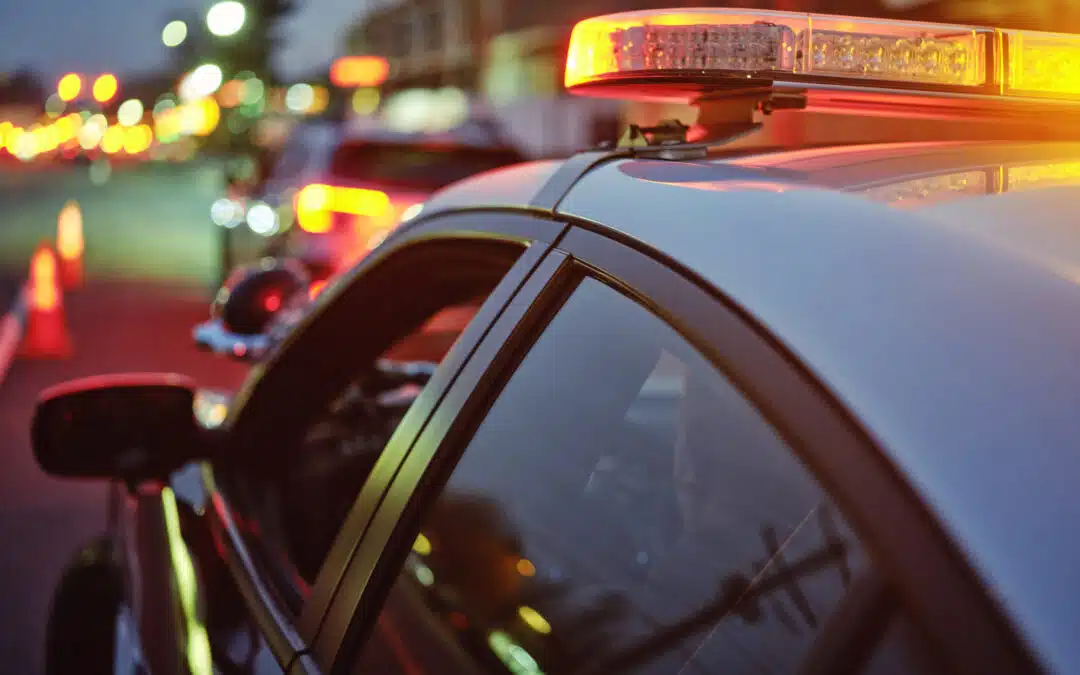
For decades, emergency vehicle systems and teams have relied on flashing lights and loud sirens to move through traffic safely. But today, a new generation of warning systems is emerging. These new tools go beyond just making noise.
This new generation of alerts often use a mix of precise sound, digital communication, and even vibration feedback to alert drivers more effectively and reduce the chance of crashes.
This modern shift is all about improving how other drivers react when they see or hear an emergency vehicle. In places like the Midwest, where there are both rural roads and busy highways in metro areas, fast response times are essential and smarter warning systems can be a game-changer.
Reach out to our team for information on the latest trends or your upfitting questions!
1. Why “Old” Sirens Aren’t Always Enough
The Problem with Traditional Sirens
Most emergency vehicle sirens send sound in every direction. But that can make it hard to tell where the vehicle is coming from. In traffic or noisy areas, drivers often look around in confusion instead of reacting quickly.
Studies show that many ambulance crashes happen at intersections. That’s because drivers hear a siren but can’t tell where the emergency vehicle is.
A Better Option: Directional Sound
New sirens use focused sound aimed in specific directions. These sirens help drivers understand exactly where the vehicle is coming from.
They work with how the human brain hears sound, using the timing between both ears to guide response. Some even use speaker arrays that control sound beams, pointing noise directly at nearby drivers. These systems have been tested and proven to help vehicles move faster and more safely through traffic.
2. In-Car and Smartphone Alerts
Smarter Vehicles with Built-In Sensors
Many modern vehicles are now equipped with sensors that can hear sirens and alert drivers through dashboard warnings or lights. These sensors can even work when windows are up or music is playing.
C-V2X: Vehicles That Talk to Each Other
C-V2X stands for Cellular Vehicle-to-Everything. This technology allows emergency vehicles to send direct alerts to nearby cars, traffic lights, and road signs. It doesn’t rely on sound at all.
If a fire truck is approaching, it can send an alert to nearby cars telling them to move over. Some systems can even change traffic lights to green for the emergency vehicle, helping it get through intersections faster and safer.
Phone Alerts That Go Beyond Sirens
Some companies now send alerts to smartphones through apps or in-car screens. Drivers using navigation apps like Waze can get a message that an emergency vehicle is nearby.
This helps even when sirens can’t be heard, like during loud weather or in heavy traffic.
3. Vibration and Haptics: Feel the Alert
Not all drivers respond quickly to light or sound. That’s why some new systems use vibration to grab attention.
These small shakes in the seat or steering wheel tell the driver something is happening. They are quiet, private, and very useful when other alerts might be missed.
These systems can even be used with autonomous vehicles. If a car’s system gets a warning, it can alert the driver through a vibration before making a move, like switching lanes.
4. Challenges with New Warning Tech
Technology That Needs Testing
New alert systems like C-V2X and directional sirens work well, but they still face challenges. They must be strong enough to handle weather, road dust, and constant use.
Cost and Coverage
Adding new systems to old vehicles takes time and money. Rural areas in Kansas and Oklahoma might not get upgrades as fast as large cities.
Drivers and Trust
Some drivers ignore alerts if they think they’re false alarms. Too many alerts can cause people to stop paying attention. That’s why it’s important that new alerts are accurate and only used when needed.
What Emergency Services Can Do
- Stay updated on the newest systems and tools.
- Test new tech like directional sirens or app-based alerts.
- Train staff to use and respond to digital alerts properly
- Upgrade new vehicles with modern alert systems.
- Educate the public about new types of alerts and how to respond.
Better Alerts, Safer Roads
Emergency vehicles in Central and Southern Kansas and Northern Oklahoma face unique challenges. Whether it’s crossing rural highways or managing city traffic, getting to the scene fast is critical.
With smarter sirens, digital alerts, and even tactile warnings, emergency responders can move more safely and confidently. Drivers will know exactly when and how to react. And the road will be safer for everyone.
TCS Upfitting helps fleets in this region install and upgrade the tools they need. From light bars to sirens to smartphone integration, we’re here to support emergency teams with the best equipment available. View our emergency vehicles page to learn more!
Let’s make every second count.