

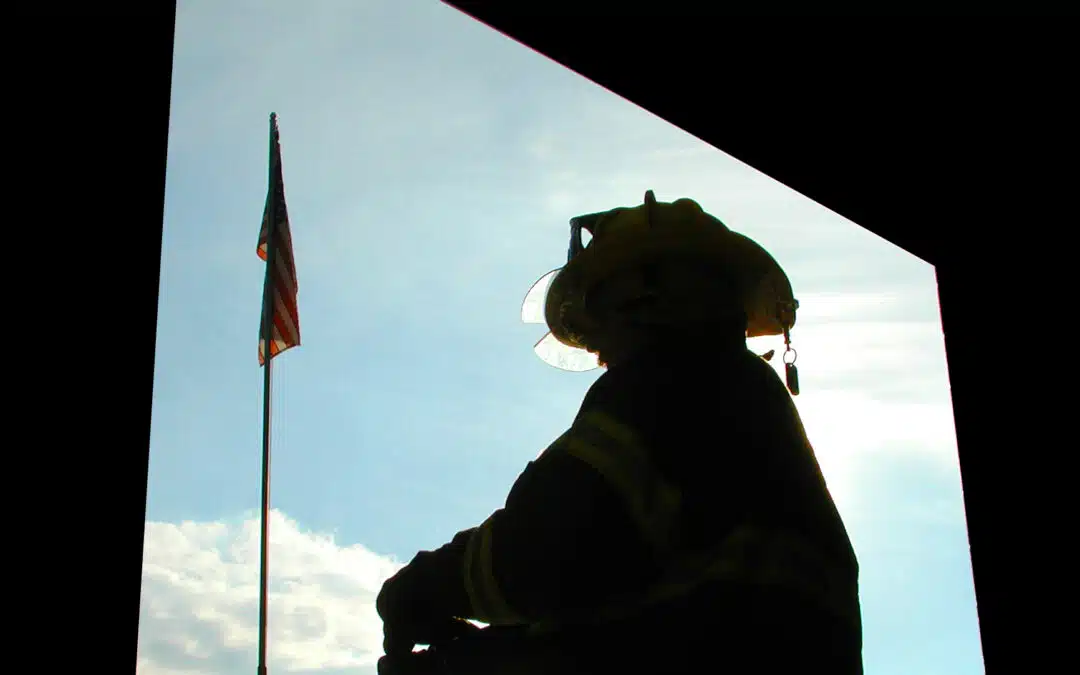
It’s not uncommon for a personal vehicle to become your go-to emergency vehicle as a volunteer firefighter. If that’s the case, it needs to have the right emergency lights to ensure a fast response that’s safe. Volunteer firefighter vehicle upfitting is the process of installing these custom solutions so you can be confident as you rush to a scene.
If you’re looking for an effective way to meet the requirements for emergency vehicles, the process involves several specific considerations.
The Importance of Volunteer Firefighter Vehicle Lights
Your personal vehicle likely doesn’t have the necessary emergency lights in place right now. However, to volunteer to provide these critical services in your community, you’ll benefit from making a few critical adjustments.
Installing VFF vehicle lights ensures your safety, helps you get to where you need to be faster, and meets any legal requirements present within your community. No matter the type of emergency vehicles responding to incidents, lights, sirens, and warnings help keep everyone -volunteers and bystanders- safe.
What Makes Volunteer Firefighter Vehicle Uplifting Challenging
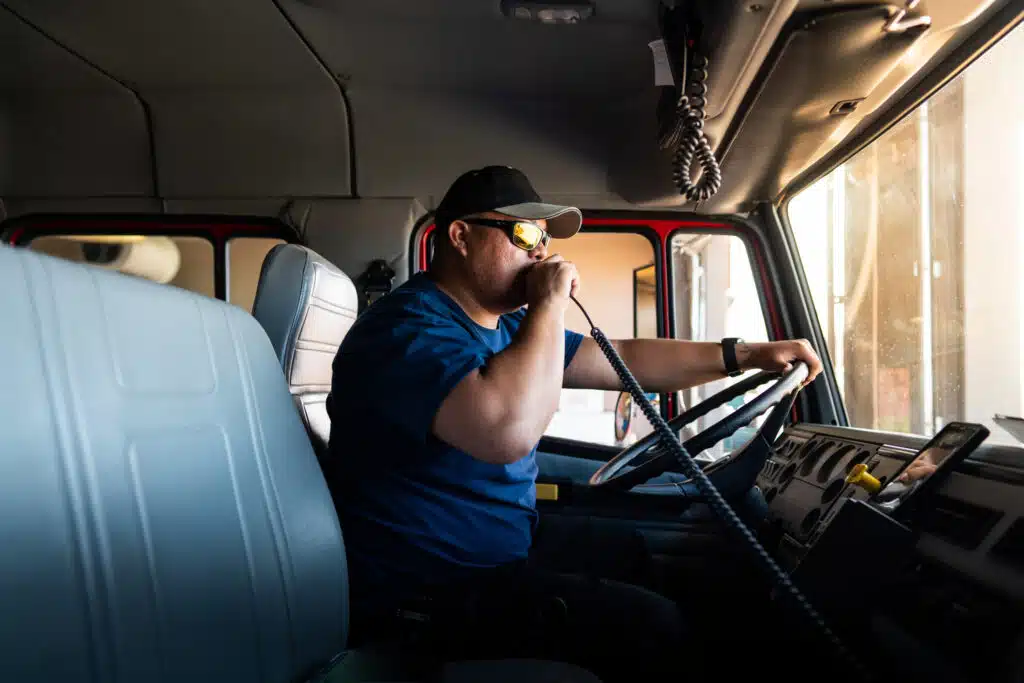
The investment in VFF vehicle lights must take into consideration several key factors. It’s not as simple as just installing a basic siren or lights on the vehicle. Rather, you must consider the following factors before making an investment:
What type and level of visibility does your vehicle require?
The difference, for example, between a passenger vehicle and a much larger SUV is a critical factor. When considering visibility, think about how those on the road with you must be able to see you to get out of the way.
State and local regulations.
Kansas laws recommend but do not require emergency vehicles to have flashing lights, specifically. However, volunteer firefighter vehicles must use flashing or rotating red lights on the roof that are visible at least 500 feet. Local laws may differ depending on where you are located as well.
Also important is that firefighter vehicles can have red and white lights. Volunteer firefighters can also use blue lights on their personal vehicles if they are responding to an emergency. Most often, these vehicles must have signal lamps, such as LED lights, mounted high and widely spaced to ensure visibility.
Local fire departments may customize lighting patterns and types to meet specific goa
ls. For example, emergency light packages may include lightbars, scene lighting, work lights, or beacons, depending on the department’s decisions.
Effectiveness and Discretion
When choosing volunteer firefighting vehicle uplifting, most owners also want to choose something that is both effective at warning those nearby but also somewhat discreet. You may not want to have your vehicle stand out when you are not using it for volunteer firefighter work.
Depending on the type of work you do and the location, lighting solutions must be more than just a warning. They could incorporate critical spotlight features to protect volunteers at night.
Budget Considerations
Whether or not your department pays for the investment in lighting and sirens, budgets are always a factor. For many volunteer departments, it becomes critical to find a way to keep costs in line with your budget or as low as possible, which can also be dependent on the type of vehicle.
By working with the right provider, it’s possible to find a way to balance all of these components to ensure the best possible upfitting solution for your needs.
Staying Up to Date on Trends and Rules
At TCS Upfitting, we offer solutions that meet your state laws and your budget worries. We work to stay ahead of law enforcement trends to ensure that you are investing in a solution that is going to be reliable for years to come. Reliability, efficiency, and enhanced visibility are all critical factors here.
If you are unsure of what is allowable or required in your area, our team at TCS Upfitting will guide you through the process. For VFF vehicle lights, consider factors such as:
- Current state regulations permit requirements and certifications
- Color restrictions for your jurisdiction (typically red and white for firefighters)
- Placement location and brightness requirements, including whether they can be mounted within or outside of the vehicle
- Usage rules, including when and how you are able to use the emergency lights
If you are unsure of what your rules and restrictions are for volunteer firefighter vehicle sirens and lights, we encourage you to speak to your local fire department or reach out to us for more information and guidance.
Types of Firefighter Lights That May Be Beneficial
With a wide range of solutions available to meet most needs, you can expect our team to help you create the ideal lighting option for your vehicle. There are numerous options available, including these popular choices:
- Grille lights: The most discreet of options for personal vehicles, they are easy to install without significant modifications, but they have limited visibility on some vehicles.
- Dash lights: These lights are overall versatile, quick and easy to install, and typically do not make modifications to the car that you cannot reverse, but they can create windshield glare.
- Visor lights: Though they have limited side and rear visibility, these lights are beneficial because they are hidden when not in use and offer excellent visibility from the front.
- Exterior mounted lights: The highest level of visibility comes from exterior mounted lights that provide 360-degree visibility, but have a permanent installation process.
- Siren options: You also have various volunteer firefighter vehicle sirens, including portable, handheld electronic sirens and wireless systems.
With effective emergency vehicle lighting installation available from our team, you can have the proper lighting installed without worry in no time. Our VFF vehicle lights and sirens are fitted to your vehicle and your overall goals.
To learn more, turn to TCS Upfitting now to get a quote for volunteer firefighter vehicle upfitting services. We can help you install the proper lights and sirens to keep you and the public safe on the road.