

At TCS Upfitting, we know that business owners and fleet managers need all the help they can get with company vehicle maintenance. A set fleet maintenance schedule that includes the proper quarterly vehicle maintenance checklist can benefit business vehicle upkeep.
Common Components of a Quarterly Vehicle Maintenance Checklist
Four times a year, you should conduct a vehicle maintenance checklist that addresses the following key areas:
Fluids
Fluids are a great place to start when creating a viable quarterly vehicle maintenance checklist. Beyond checking/changing your oil, you must address your engine oil filter and lubricate your chassis.
You should also ensure the automatic transmission fluid and power steering are full, topping off as needed. Check the brake fluid level and look at its color. If the fluid is dirty or dark, replace it.
Brakes
Next, you will want to conduct a thorough brake inspection that begins by loosening the wheels so you can easily see your braking system. Check the brake pad or shoe thickness to ensure it is within the minimum specification of 3 to 4 millimeters before meticulously checking the rotors and drums for scoring, cracks, or wear that may impair the braking performance.
Then, you can check the brake calipers to ensure they are fully operational and show no sign of fluid leakage. Finally, test the brake pedal for proper feel and sensitivity, and ensure that the parking brake functions correctly.
Battery
It is also essential to inspect your battery. Look for corrosion or looseness in cables and terminals. Make sure the battery is fully charged. A weak or dead battery will quickly shut down operations, so replace or charge it as needed.
Tires
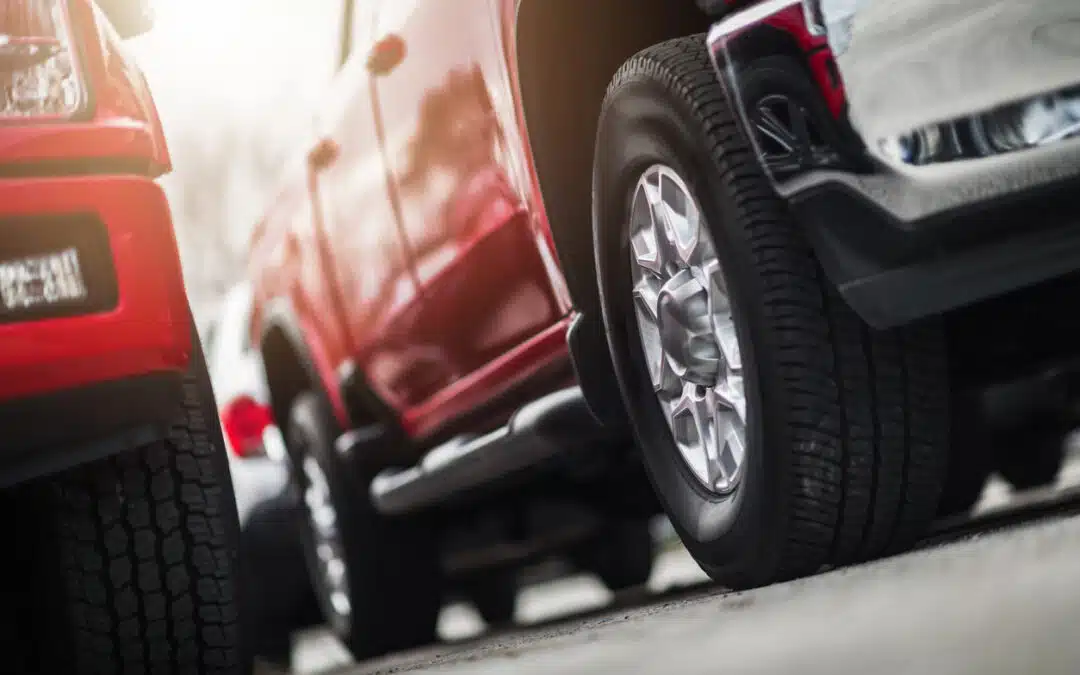
A proper tire inspection involves inspecting tires, including the spare tire, and measuring tread depth for safe traction. Check each tire for cuts, bulges, and uneven wear, and check for the presence and condition of valve stems and caps.
Check wheels for damage or corrosion and ensure all lug nuts or wheel fasteners are tightened. Mark if tire rotation is required due to wear patterns.
Body
Finally, inspect the body for signs of deterioration. Inspect the frame and subframe for hidden damage, particularly if the cars are used under stressful or off-road operating conditions.
Even dents or paint cracks are rust issues if allowed to persist. Inspect all belts for cracking, fraying, or glazing, and hoses for bulges or leaks. And don’t forget the mirrors and glass. They can severely limit visibility and reduce safety, chipped or cracked, even if just a little.
Monthly, Biannual, and Annual Vehicle Maintenance Checklists
Beyond your quarterly maintenance checklist, you can develop monthly, biannual, and annual vehicle maintenance checklists.
Monthly
You should check your fluids (oil, coolant, brakes, and windshield washer), tire pressure and tread depth, light bulbs, belts, hoses, wipers, battery terminals/cables, and engine/cabin air filters each month.
Biannal
Your biannual checklist should include all items on your monthly and quarterly checklists. You should also lubricate our chassis components as needed or recommended in your owner’s manual.
Annual
Your annual checklist should include all items on your monthly and quarterly checklists. You should also check your suspension and steering system and your brake rotors, lines, and hoses. Lubricating all door hinges and moving parts is also a good idea.
Individual Vehicle Maintenance Schedule Guidelines
These guidelines outline recommended maintenance tasks based on specific mileage intervals. Depending on the number of miles driven, these tasks may be placed on your monthly, quarterly, biannual, or annual maintenance checklists. Following this schedule helps prevent equipment failures and ensures reliable vehicle performance during operation.
Change the engine oil and replace the oil filter every 3,000 to 5,000 miles. Check all fluid levels and top them off as needed. Inspect the tires for condition and pressure, and rotate them with every other oil change. Also, test the lights, windshield wipers, and horn to ensure proper operation. Examine all belts and hoses for signs of wear or damage.
At the 15,000-mile mark, replace both the engine and cabin air filters. Inspect the entire brake system, including the pads, rotors, and lines. Check the battery and charging system to ensure optimal performance. Examine the suspension components for damage or wear and inspect the exhaust system for leaks, rust, or structural issues.
Replace the spark plugs every 30,000 miles, especially if they are platinum or iridium types. If the vehicle has an automatic transmission, change the transmission fluid. Inspect the fuel system for clogs or leaks, service the cooling system/replace the coolant, check the wheel alignment, and adjust it if needed. Inspect the EVAP (Evaporative Emission Control) system to confirm proper operation.
At 60,000 miles, replace the timing belt if the vehicle includes one. Also, replace the drive belts and change the brake fluid. Inspect the PCV (Positive Crankcase Ventilation) valve and replace it if necessary. Replace the fuel filter, and thoroughly inspect the steering and suspension systems to maintain vehicle safety and performance.
Quarterly Fleet Maintenance Checklist
While you should tailor your quarterly vehicle maintenance plan to fit your business’s particular wants and needs, a fleet maintenance checklist template is a great place to start! Do some research to find one that works for you.
Make a Maintenance Plan
Adhering to a dedicated quarterly vehicle maintenance checklist is one of the best things you can do to avoid unexpected repairs, minimize vehicle downtime, and extend the life of your fleet. To learn more or to inquire about parts and supplies to support your maintenance efforts, contact the pros at TCS Upfitting today.